
1. Home
  2. »
  3. Art Therapy
Where the picture comes before the sentence.

Art therapy at our clinic in JLT, Dubai

for children, teenagers, and adults. Rooted in psychodynamic and Jungian traditions, delivered by licensed psychologists who work with drawing, paint, clay, and image as the primary language of the session. Available in English and Russian.

Not sure where to start?

Tell us what’s going on and we’ll match you to the right psychologist.

What art therapy actually is

Art therapy is not an art class. There is no critique, no correction, no comparison with what anyone else is making. It is a form of psychotherapy in which drawing, painting, clay, collage, and image are used as the primary way of paying attention to what is going on inside a person — a child, a teenager, or an adult. The picture arrives first. The words that make sense of it, when they come, come afterwards.

Our practice combines two clinical traditions in this work. From psychodynamic play-based therapy: the room is safe, the client leads, and the therapist works with what shows up. From Jungian analytical psychology: image and symbol are treated as real language, and the patterns that emerge over sessions are the material of change. In practice this means a session that is quiet, unhurried, and led by the person in front of the tray or the page.

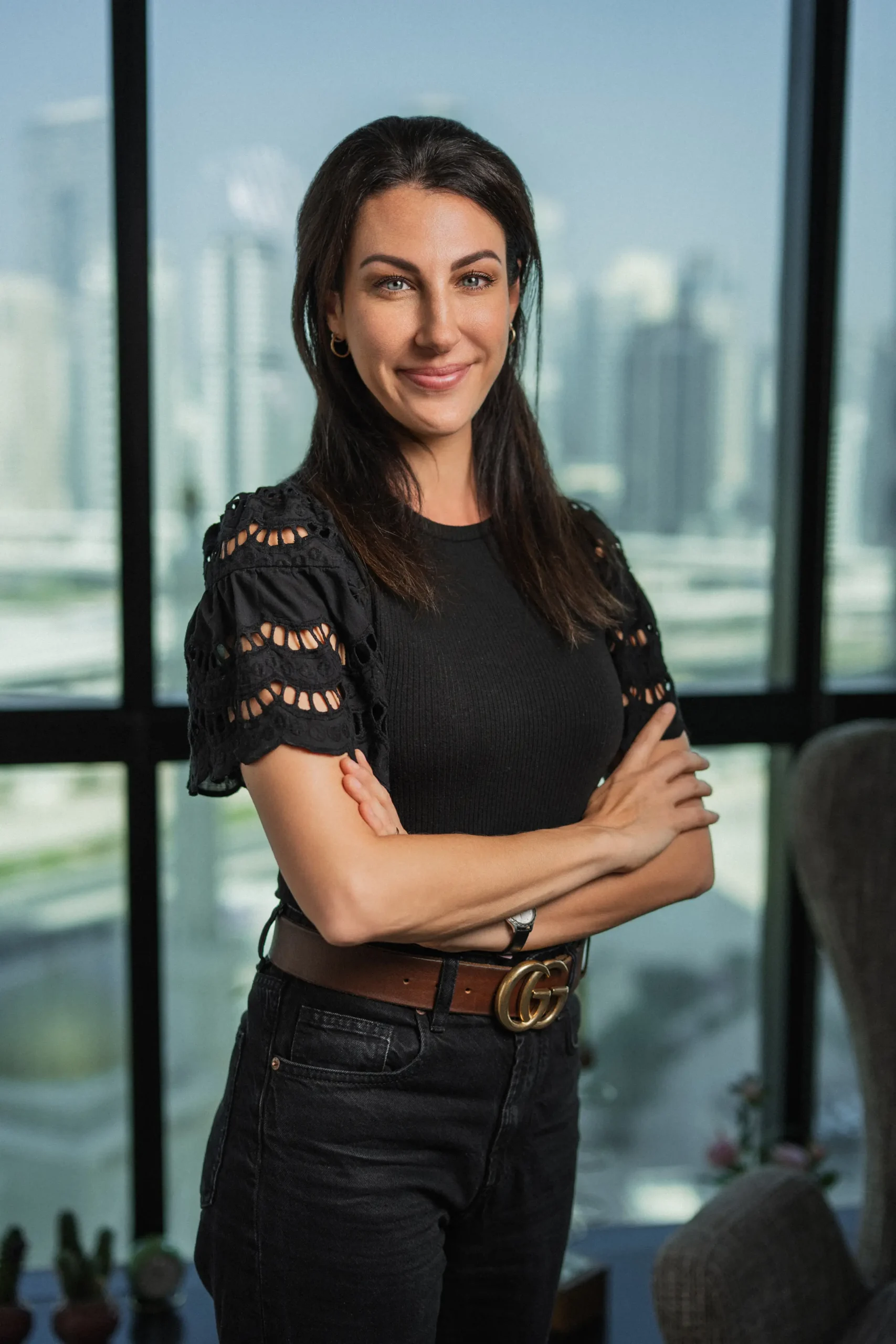
“Mental health means safety and being heard and understood. Art therapy is one of the ways that can happen without needing words yet.”
— Lily Peterson, our child & adolescent psychotherapist

Lily Peterson

Who art therapy helps

Art therapy is useful across three broad age groups, and for three broad kinds of difficulty.

01

Children — anxiety, big feelings, transitions

A child who is anxious but cannot yet describe what for. Sleep that has come apart. Behaviour at home or school that has started to worry the adults around them. A new sibling, a family move, a loss. Art therapy gives the child a language they already have — colour, shape, image — before they have the vocabulary of feelings themselves.

02

Teenagers — identity, mood, self-image

The teenage years bring their own weight. Some of it is developmental; some of it is heavier. Art therapy meets teenagers where they are — often less willing to talk than younger children, and more suspicious of adult-led approaches. The page becomes a place to work things out that would feel exposing in conversation. Confidentiality is explicit.

03

Adults — mid-life, meaning, patterns that return

For adults, art therapy is often used inside a longer analytical process. The scene on the page, or the shape that emerges in clay, reveals material that talk-therapy circles around. Many of our adult clients come to this work in their late thirties and forties — often at a point where the old scripts have stopped fitting and something new is asking to arrive.

04

Russian-speaking clients

Our psychologists who deliver art therapy work fluently in English, and one of them works in Russian too. For clients whose depth-language is Russian — including many of our clients who moved to Dubai after 2022 — sessions in that language reach ground the English work cannot.

What a session looks like

01

For a child

The child arrives in a room set up for the work — paper, paints, pencils, clay, water, soft light. The therapist tells them clearly: this is your time, and you can do everything your hands want. There is no requirement to talk about the picture; there is no right or wrong version of it. Over sessions, the therapist notices what returns, what changes, and what quietly resolves — and gently helps the child give shape to whatever has been asking for attention.

02

For a teenager

Same materials, different tone. With teenagers, the work is more collaborative, more openly discussed, and the confidentiality of the room is stated up front. Before any session ends we ask the teenager what, if anything, they would like us to share with their parents. What happens on the page usually stays there unless we agree otherwise together.

03

For an adult

For adults, art therapy sits inside a longer analytical or psychodynamic process. Sessions begin with what has been on your mind; when the words start looping, the materials come into it. Many adults are surprised by what shows up in their first few pieces. That surprise is often the beginning of the change.

04

For parents

Parents are part of the work, not observers of it. We meet you at intake and periodically thereafter to translate what we are seeing into practical support at home. A signature question from our practice — one that opens more than it closes — is this: what lesson do you think your child wants to teach you?

“You can do everything your hands want.”
— Ekaterina Morgan's opening line to every new client.

Art therapy

Signs it's working

The first thing to shift is usually the inner state — a stabilisation, before the presenting difficulty has fully lifted. A child arriving willingly. Less rigidity in black-and-white thinking. Teachers noticing something has settled. For teenagers, presence itself — session after session, without setbacks. For adults, a quiet inner clarity that wasn’t there before. Change is usually visible from around session ten. Deeper work typically takes six months to a year.

The practical things

Before you get started

Most-asked questions

No. Art therapy is not about making a good picture — it is about what emerges in the making. Children who describe themselves as bad at art usually respond as well as any others; sometimes better, because they have less concern about the finished object. The therapist is trained to pay attention to what the process is showing, not to critique the result.

They are close cousins. Play therapy is the broader family of methods that uses play as the medium. Sandplay is a specific Jungian modality using a sand tray and small figures. Art therapy specifically uses visual arts materials — drawing, paint, clay, collage — as the primary language of the session. Many of our clients move between modalities depending on what is useful at a given moment; we choose together with you.

Yes, and often say it reaches material that talk-therapy circles around. Adult art therapy usually sits inside a longer analytical or psychodynamic process — the words are still doing most of the work, but the materials come in when the words start looping. Most adults are surprised by how much shows up in their first few pieces.

It depends. We recommend a minimum of 6-12 sessions. Deeper work — the kind that reshapes patterns rather than easing them — typically takes longer. We discuss the trajectory openly every few weeks.

Not verbatim. What we share are themes, patterns, and practical suggestions for support at home. The specifics of what a child creates are held with confidentiality appropriate to their age, unless there is a safeguarding concern — which we would always tell you about.

Some things are easier to draw than to say

Some things can only be drawn first. Art therapy is one of the ways we let those things arrive.

Tell us what’s going on and we’ll match you to the right psychologist.